Home / Passive income / Savings interest
How much does a savings account really pay?
The FDIC’s national rate on savings was 0.38% in October 2026. That is an average across banks, and in the US the interest is generally taxable income.
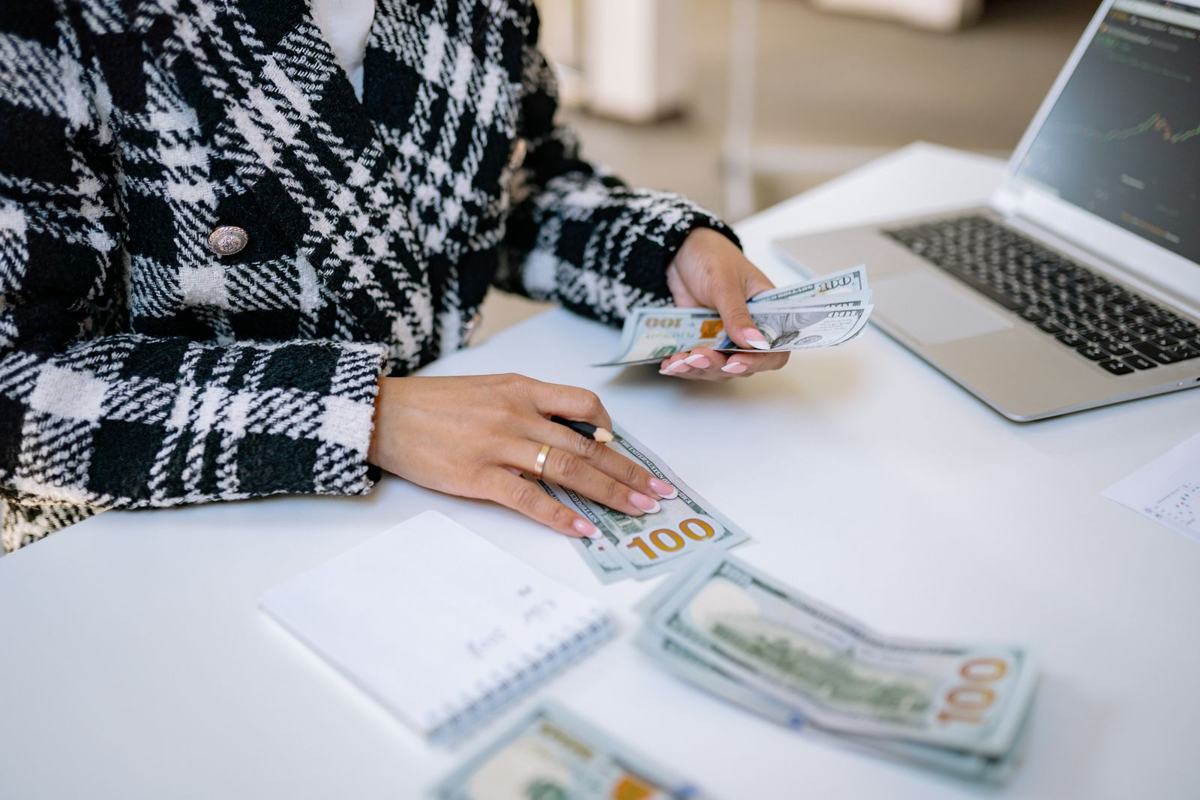
You leave money in an account and it earns interest, with no work. The catch is the size of the sum: at the national rate, the money has to be very large to pay anything you would notice. Banks set their own rates, so check yours.
What do you need for savings interest?
- Money you can leave aloneThis route starts with savings.
- An account that pays interestCompare your bank’s rate with the national rate.
- A record for taxThe IRS says most interest is taxable income.
What savings interest really pays
| Item | Figure | What it means |
|---|---|---|
| National rate on savings | 0.38% | FDIC, October 2026. A weighted average across insured banks and credit unions |
| National rate on interest checking | 0.07% | FDIC, October 2026 |
| Savings for $100 a month at 0.38% | About $315,800 | Our sum: $1,200 a year divided by 0.38% |
| Savings for $100 a month at 4% | $30,000 | Our sum, at an example rate |
| US tax | Generally taxable | In the year the interest becomes available to you, says the IRS |
What it adds up to
| Savings | A year at the 0.38% national rate | A year at an example 4% |
|---|---|---|
| $1,000 saved | $3.80 | $40.00 |
| $10,000 saved | $38.00 | $400.00 |
| $50,000 saved | $190.00 | $2,000.00 |
Before tax. Rates change, and 4% is only an example rate. Our sums on the FDIC’s October 2026 rate: an example, not a promise.
When does savings interest pay you?
| Question | Answer |
|---|---|
| Paid out at | Set by your bank |
| First money | Set by your bank |
What is the catch with savings interest?
- The national rate is an average, so your bank’s rate can be higher or lower.
- Some interest can be tax-exempt, says the IRS, so check your case.
- These sums leave out inflation and tax.
- These are US figures.
How to start with savings interest
- Find your own rateLook at your account terms.
- Compare itUse the national rate as a marker.
- Try the calculatorSee what your own target would take.
Read next
Way to earnVOLTIX referral program60% of the full price, every renewalCalculatorPassive income calculatorTruth checkIs passive income real?Real, not freeTruth checkCan you really get paid to open a bank account?Check firstWay to earnAirbnb hosting15.5% host service feeWay to earnDigital products10% + $0.50, GumroadTopicMore in Passive income
Sources
- FDIC: national rates and rate caps, October 2026, checked 5 Nov 2026
- IRS: Topic no. 403, interest received, checked 5 Nov 2026