Can forex trading really pay?
The US CFTC says you can lose most or all of your money very quickly. In EU studies reported in 2018, 74% to 89% of retail CFD accounts (contracts for difference, a leveraged bet on a price) lost money.
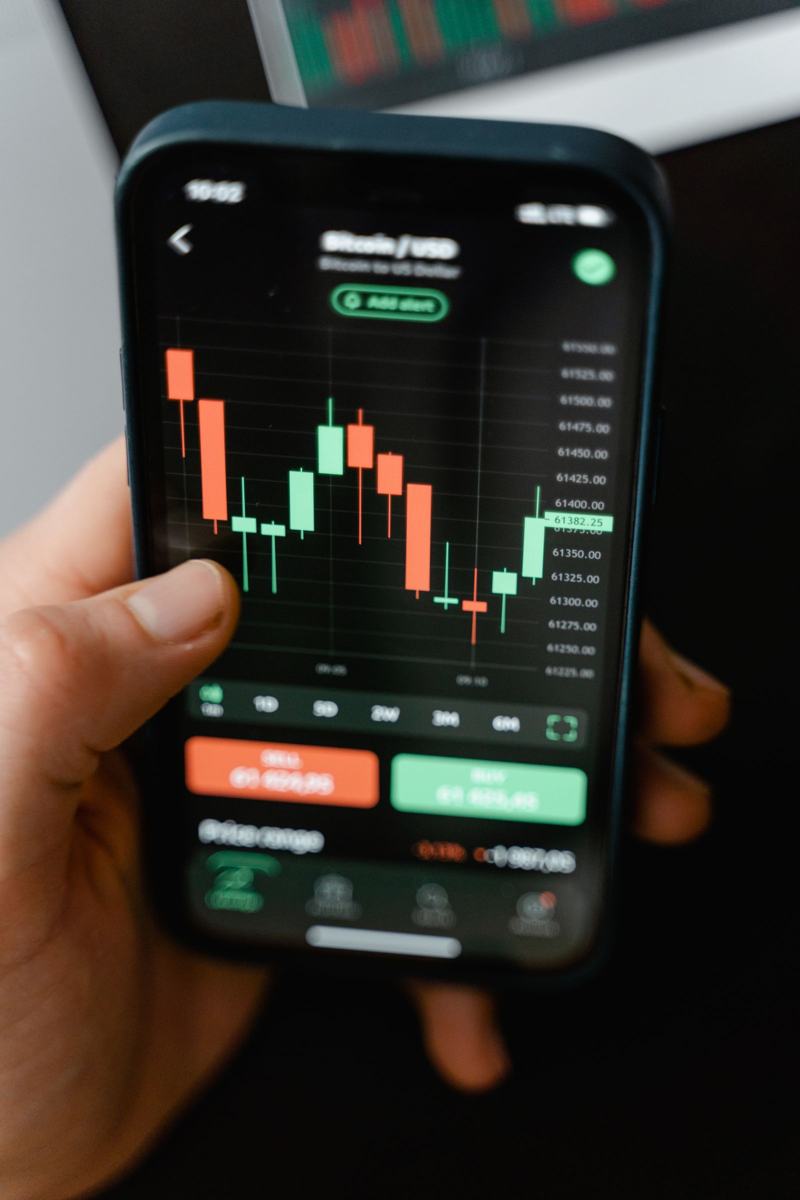
Forex means betting on currency prices, and brokers let you bet with borrowed money. That borrowed money is what makes the gains and the losses so fast. This page recommends no trade and no broker. See also our truth check.
What do you need for forex trading?
- Money you can afford to loseNever retirement funds, the CFTC says.
- A registered brokerCheck with your regulator.
- An understanding of leverageIt multiplies your losses too.
What the regulators’ numbers say
Retail CFD accounts that lose, low end
Retail CFD accounts that lose, high end
| Item | Figure | What it means |
|---|---|---|
| Average loss per client | €1,600 to €29,000 | ESMA, 2018, across EU regulators’ studies |
| Broker spreads and fees | Set by your broker | Depends on your broker |
Trading has no rate of pay, so there is no sum here.
When does forex trading pay you?
| Question | Answer |
|---|---|
| Pay | None. Only your own profit or loss |
| First money | Not predictable |
What is the catch with forex trading?
- The CFTC warns of a sharp rise in forex scams.
- Promises of a deal ‘guaranteed to rise’ are a warning sign, it says.
- Claims that forex has no down market are another warning sign, it says.
How to start with forex trading
- Read your regulator’s warningsBefore you open any account.
- Check registrationThen check it again.
- Try a demoKeep score honestly.
Read next
Way to earnVOLTIX referral program60% of the full price, every renewalTruth checkIs forex trading a scam?Real market, real scamsWay to earnDividend stocks$30,000 for $100 a monthWay to earnDay trading74–89% CFD accounts loseTopicMore in Trading
Sources
- CFTC: forex fraud advisory, checked 5 Nov 2026
- ESMA: restrictions on CFDs, checked 5 Nov 2026