Home / Apps and tasks / Mystery shopping
Does mystery shopping really pay?
Shops do pay people to test them, and the FTC says it is part-time work that does not usually replace a full-time job. An upfront fee is always a scam.
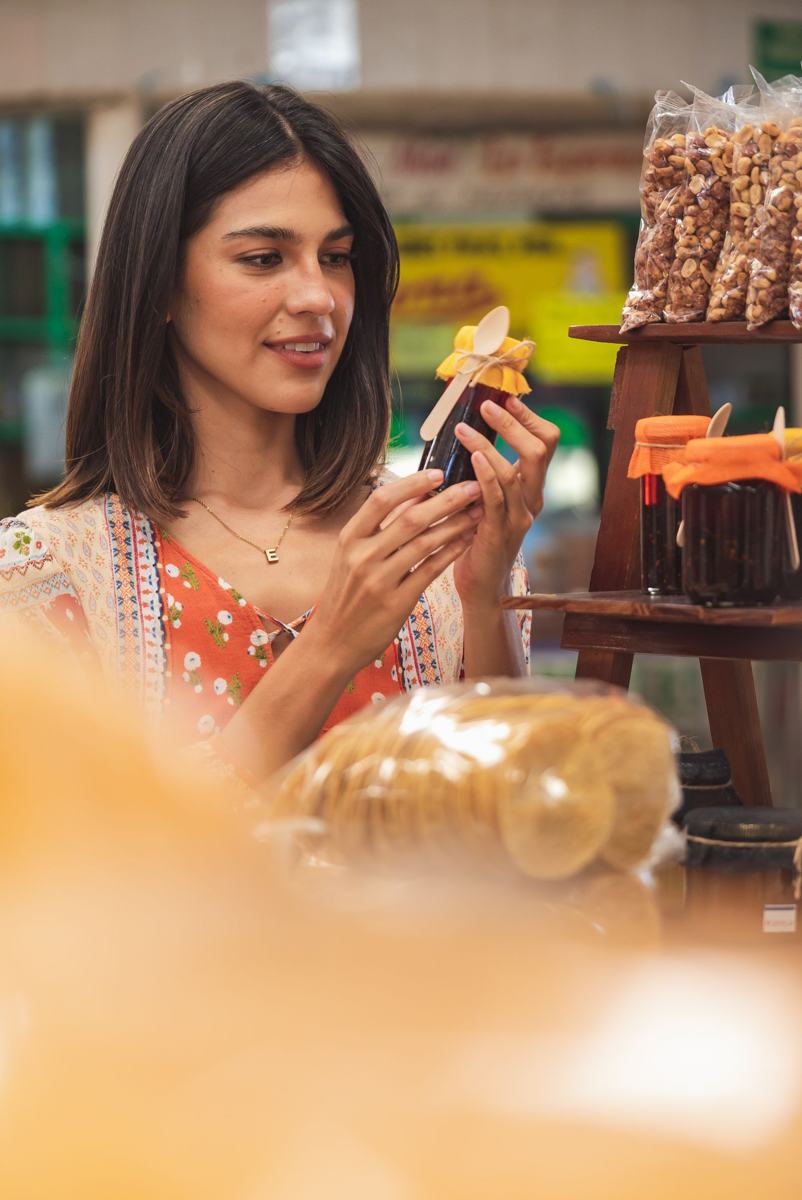
In the real version you visit a shop or restaurant, pay for the product, and get paid back, sometimes with a little extra. In the fake version a stranger sends you a cheque, tells you to deposit it, and asks you to buy gift cards and send the numbers.
What do you need for mystery shopping?
- Time to visit shopsThis work happens in person.
- Money to pay firstThe FTC says shoppers typically pay, then get reimbursed.
- A real companyThe FTC says to research the job first and see what others are saying.
What mystery shopping really pays
| Item | Figure | What it means |
|---|---|---|
| Pay | No official figure | The FTC says a retailer may pay ‘a little bit extra’ |
| Your costs | You pay first | Then the retailer reimburses you, says the FTC |
| Hours | Part-time | Treat it as extra money, not a full-time income |
| Upfront fee | $0 | If you have to pay one, the FTC says it is always a scam |
No company publishes a rate, so there is no sum here.
When does mystery shopping pay you?
| Question | Answer |
|---|---|
| Paid out at | Set by the company |
| First money | No published figure |
What is the catch with mystery shopping?
- The FTC says it can take weeks for a bank to find out a cheque is fake.
- The scammer keeps the gift card money, and the FTC says the bank will want you to pay back what you spent.
- Only scammers tell you to deposit a cheque, buy gift cards and send the numbers.
- A guarantee of earnings is a warning: the FTC says only scammers make these guarantees.
How to start with mystery shopping
- Research the companySee what others are saying first.
- Refuse any feeA real job does not ask for one.
- Never send money onReport it at ReportFraud.ftc.gov.
Read next
Way to earnVOLTIX referral program60% of the full price, every renewalTruth checkDo apps that pay $100 a day exist?Walk awayTruth checkGet paid to watch videos: real or scam?Mostly penniesWay to earnProlific$8 an hour minimumWay to earnSwagbucks100 SB to $1Way to earnUser testing$10+ per studyTopicMore in Apps and tasks
Sources
- FTC: mystery shopping scams, checked 5 Nov 2026
- FTC alert: mystery shopping, fake checks and gift cards (18 Apr 2024), checked 5 Nov 2026
- FTC alert: how to avoid a car wrap scam (1 Apr 2024), checked 5 Nov 2026